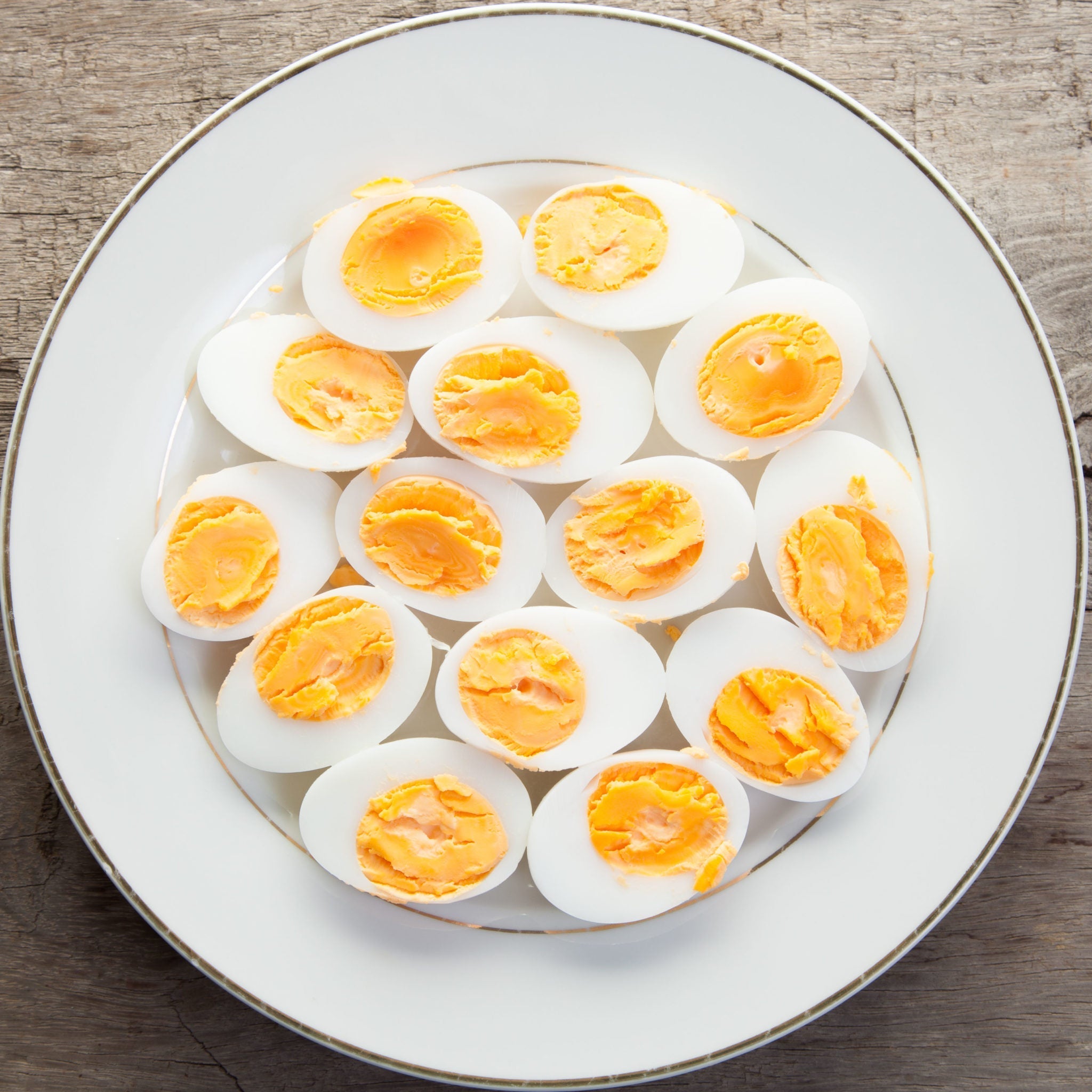
Perfect Instant Pot Hard Boiled Eggs: Easy Peel Every Time
For generations, mastering the art of the hard-boiled egg has been a culinary quest filled with frustration. From stubbornly stuck shells that take half the egg with them, to rubbery whites and unappetizing green rings around the yolk, achieving consistently perfect results has often felt like an elusive myth. But what if we told you that the secret to truly easy-peel, perfectly cooked hard-boiled eggs lies in a single kitchen appliance? Enter the Instant Pot.
The Instant Pot has revolutionized countless kitchen tasks, and making hard-boiled eggs is perhaps one of its most celebrated achievements. Users quickly discover that this versatile pressure cooker delivers a level of consistency and effortless peeling that traditional stovetop methods simply can't match. No more peeling away precious egg white with the shell, no more guessing games – just consistently flawless, easy-to-peel golden globes ready for your salads, snacks, or deviled egg creations.
Why the Instant Pot Reigns Supreme for Hard-Boiled Eggs
You might be wondering, "Why bother with an Instant Pot when I can just boil eggs on the stovetop?" It's a fair question, and one that often sparks passionate debate among home cooks. However, the Instant Pot offers distinct advantages that elevate it far above conventional methods:
- Effortless Peeling: This is arguably the number one reason. The pressure cooking process subtly alters the pH inside the egg, making the membrane less likely to adhere to the shell. The result? Shells practically slide off, often in large, satisfying pieces.
- Consistent Texture: Say goodbye to rubbery whites or undercooked yolks. The controlled, consistent heat and pressure ensure eggs cook evenly, yielding tender whites and creamy yolks every single time. This also virtually eliminates the dreaded green ring that indicates overcooked eggs.
- Hands-Off Convenience: Once you set the Instant Pot, you're free to attend to other tasks. There's no need to constantly monitor a boiling pot or adjust heat.
- Speed and Efficiency: While the Instant Pot takes time to come to pressure, the actual cooking time is remarkably short, making it a quick solution for meal prep or last-minute additions to dishes.
While various "foolproof" stovetop methods have circulated for years, the Instant Pot truly delivers on its promise. It takes the guesswork out of a delicate cooking process, providing a reliable path to perfection.
The Essential Setup: What You'll Need and Crucial Prep Tips
Getting started with Instant Pot hard-boiled eggs requires minimal equipment and a few crucial steps to ensure optimal results. Think of these as your foundational pillars for success.
What You'll Need:
- Your Instant Pot: Any model will work, but familiarize yourself with its pressure settings.
- Eggs: Freshness can play a role, but the Instant Pot handles eggs of varying ages far better than traditional methods. Large eggs are most commonly used in recipes.
- Cold Water: Precisely 1 cup (250 ml) of cold tap water.
- Trivet or Steamer Basket: This is essential for elevating the eggs above the water. Most Instant Pots come with a wire trivet.
- Ice Bath Ingredients: A large bowl filled with cold water and plenty of ice cubes. This step is non-negotiable for easy peeling and creamy yolks.
Crucial Prep Tips for Instant Pot Hard Boiled Eggs:
- Use Cold Water: Always start with 1 cup (250 ml) of cold water in the Instant Pot liner. Avoid the temptation to use warm or hot water to speed up the "coming to pressure" time. The consistent temperature gradient as the Instant Pot heats up is part of what contributes to the perfect texture and easy peeling. Deviating from cold water can directly affect your final results.
- Elevate, Don't Submerge: Place your trivet or steamer basket into the Instant Pot, then carefully arrange 6-8 large eggs on top. It's vital that the eggs are *not* submerged in the water. The Instant Pot cooks the eggs by steaming them under pressure, not by boiling them directly in water. Submerging them would change the cooking dynamics and likely lead to less ideal results.
- Seal the Vent: Once the lid is securely closed, ensure the venting knob is turned to the Sealing position. This is critical for the Instant Pot to build pressure.
Mastering the Methods: High vs. Low Pressure for Flawless Results
Just like there are different ways to cook a steak, there are nuances to making hard-boiled eggs in the Instant Pot. The primary distinction lies between using High Pressure and Low Pressure settings. While both methods yield easy-peel eggs, some discerning palates notice a difference in texture, particularly with egg whites. For a deeper dive into these methods and the scientific reasoning behind them, you might find
Instant Pot Hard Boiled Eggs: High vs. Low Pressure for Best Texture very insightful.
The High Pressure Method
This is the most common and widely accessible method, as all Instant Pot models have a High Pressure setting.
- Setup: Follow the crucial prep tips above (1 cup cold water, trivet, eggs, sealed lid).
- Cook Time: Select the "Pressure Cook" or "Manual" setting on High Pressure. Set the timer for 8 minutes.
- Pressure Release: Once the cooking cycle ends, immediately perform a Quick Release (QR). Carefully turn the venting knob to the Venting position to release the pressure. Be mindful of the steam!
- Open and Transfer: Once the floating valve drops, carefully open the lid and immediately transfer the eggs to an ice bath (detailed below).
Texture Notes: Eggs cooked on High Pressure are beautifully set with firm whites and yolks. Some sensitive palates might detect a slightly chalkier texture in the whites, especially with older, non-farm-fresh eggs. However, for most, this method delivers perfectly satisfying results.
The Low Pressure Method
Some Instant Pot models offer a "Low Pressure" or "Gentle" setting, which many enthusiasts believe produces a superior, creamier texture.
- Setup: Follow the crucial prep tips above (1 cup cold water, trivet, eggs, sealed lid).
- Cook Time: Select the "Pressure Cook" or "Manual" setting on Low Pressure. Set the timer for 12 minutes. (If your Instant Pot doesn't have a specific low-pressure button, some models allow you to toggle the pressure level after selecting "Pressure Cook." Refer to your user manual.)
- Pressure Release: Once the cooking cycle ends, immediately perform a Quick Release (QR).
- Open and Transfer: Once the floating valve drops, carefully open the lid and immediately transfer the eggs to an ice bath.
Texture Notes: The longer, gentler cooking at Low Pressure is often favored for producing exceptionally tender, creamy egg whites and perfectly jammy or firm yolks without any hint of chalkiness, particularly noticeable with older eggs. If your Instant Pot has this feature, it's highly recommended to try it. To explore more extensively tested methods for perfect results, check out
Instant Pot Hard Boiled Eggs: Tested Methods for Flawless Results.
Remember, every Instant Pot is slightly different, and even the size and temperature of your eggs can influence cooking times. It's always a good idea to perform a test batch to determine the optimal timing for *your* specific setup and preferred yolk consistency.
The Crucial Ice Bath: Your Secret Weapon for Easy Peeling
While the Instant Pot does much of the heavy lifting, the step immediately following pressure cooking is just as critical for achieving those coveted easy-to-peel results and perfect yolk texture: the ice bath. Do not skip this!
Why the Ice Bath is Essential:
- Halts Cooking Instantly: Transferring the eggs from the hot Instant Pot directly into an ice bath stops the cooking process immediately. This prevents overcooking, which can lead to that unsightly green-gray ring around the yolk.
- Shrinks the Membrane: The rapid temperature change causes the egg white to contract and the thin membrane just beneath the shell to pull away from both the egg and the shell. This creates a tiny gap that makes peeling incredibly easy.
- Creamier Yolks: The quick chill contributes to a creamier, more vibrant yellow yolk.
How to Execute the Ice Bath:
- Prepare Ahead: Before your Instant Pot even finishes cooking, have a large bowl ready, filled with cold water and plenty of ice cubes. The colder, the better!
- Immediate Transfer: As soon as you open the Instant Pot lid, carefully transfer the hot eggs using tongs or a slotted spoon directly into the ice bath.
- Chill Time: Let the eggs sit in the ice bath for at least 5-10 minutes. For truly effortless peeling, leaving them for up to 15 minutes won't hurt.
- Peel with Ease: Once thoroughly chilled, you'll find the shells virtually slide off. You can gently tap the egg on a hard surface, roll it to crack the shell all over, and then peel under cold running water if desired.
Troubleshooting & Advanced Tips
Even with the Instant Pot, a few variables can influence your hard-boiled egg experience. Here’s how to troubleshoot and refine your technique:
- Eggs Still Sticking?
- Check Egg Freshness: While the Instant Pot helps, very fresh eggs (less than 2-3 days old) naturally have membranes that cling more stubbornly. Older eggs tend to peel easier regardless of method.
- Longer Ice Bath: Ensure your ice bath is truly cold and the eggs are fully chilled for at least 10-15 minutes.
- Green Ring Around the Yolk?
- This indicates slight overcooking or not chilling them fast enough. Reduce your cooking time by 1 minute, or ensure you're using an immediate and effective ice bath.
- Adjusting for Egg Size:
- The times provided are for large eggs. For extra-large or jumbo eggs, you might need to add 1 minute to the cooking time. For small or medium eggs, consider reducing by 1 minute.
- Altitude Adjustments:
- At very high altitudes (above 3,000 feet), you may need to increase the cooking time by 1-2 minutes due to the lower boiling point.
- Storage:
- Peeled hard-boiled eggs can be stored in an airtight container in the refrigerator, sometimes submerged in a little water, for up to 5-7 days. Unpeeled eggs last even longer, about 1 week in the fridge.
In conclusion, the Instant Pot truly delivers on the promise of perfect, easy-to-peel hard-boiled eggs every single time. By understanding the critical steps—from using cold water and a trivet, to mastering the High or Low Pressure settings, and crucially, employing an immediate ice bath—you can banish peeling frustrations and rubbery whites forever. Embrace your Instant Pot for this simple yet profound culinary win, and enjoy consistently delicious, flawless hard-boiled eggs for all your culinary needs.